Common Hair Diseases: Causes and Symptoms
Hair is not just a cosmetic feature; it is closely linked to self-image, confidence, and overall well-being. Conditions affecting the hair or scalp can lead to physical discomfort as well as emotional distress. Hair disorders range from mild and temporary problems to chronic conditions that require medical care. Understanding their causes, symptoms, and available treatments is the first step toward maintaining a healthy scalp and hair.
What are Hair Diseases?
Hair diseases are conditions that affect the scalp, hair follicles, or hair shaft. They may lead to hair loss, thinning, breakage, itching, redness, or scaling of the scalp. These conditions can be caused by genetics, autoimmune reactions, infections, hormonal imbalances, nutritional deficiencies, or environmental factors.
Below are some of the most common hair and scalp disorders.
Alopecia Areata
Alopecia areata is an autoimmune condition in which the immune system mistakenly attacks hair follicles, leading to sudden hair loss in round or oval patches. It can affect the scalp, eyebrows, beard, or other body hair.
Symptoms:
➤ Patchy hair loss
➤ Smooth, hairless areas on the scalp
➤ Tingling or itching before hair falls out
Androgenetic Alopecia (Male and Female Pattern Hair Loss)
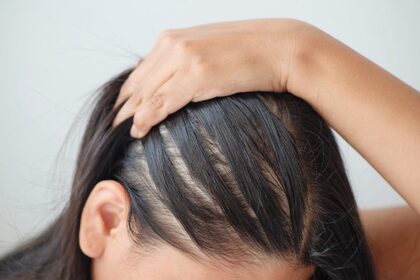
This is the most common cause of hair loss worldwide and is largely genetic. In men, it typically presents as a receding hairline or bald spot at the crown. In women, it usually causes diffuse thinning along the part line.
Symptoms:
➤ Gradual thinning of hair
➤ Widening of the hair part (women)
➤ Receding hairline (men)
Telogen Effluvium
Telogen effluvium is a temporary hair loss condition triggered by physical or emotional stress, illness, surgery, hormonal changes, or nutritional deficiencies. It causes more hairs than usual to enter the resting (telogen) phase.
Symptoms:
➤ Sudden, diffuse hair shedding
➤ Hair loss noticeable during washing or brushing
Scalp Psoriasis
Scalp psoriasis is a chronic autoimmune condition that causes rapid skin cell buildup, leading to thick, scaly patches on the scalp. Although it doesn’t directly cause hair loss, excessive scratching can damage hair follicles.
Symptoms:
➤ Red patches covered with silvery scales
➤ Itching or burning sensation
➤ Dry scalp with flaking
Pityriasis Capitis (Dandruff)
Dandruff is a common scalp condition caused by excess oil production, fungal overgrowth, or sensitivity to hair products, leading to flaking and irritation. While dandruff itself does not cause permanent hair loss, persistent itching and scratching can weaken hair roots and increase hair fall.
Symptoms:
➤ White or yellow flakes on the scalp and shoulders
➤ Itchy scalp
➤ Dryness or greasy patches on the scalp
Seborrheic Dermatitis
Seborrheic dermatitis is a common inflammatory scalp condition linked to excess oil production and yeast overgrowth. It is one of the leading causes of dandruff.
Symptoms:
➤ White or yellow flakes
➤ Itchy, oily scalp
➤ Redness around the hairline or ears
Tinea Capitis (Scalp Ringworm)
Tinea capitis is a fungal infection of the scalp, most common in children. It is contagious and can spread through direct contact or shared personal items.
Symptoms:
➤ Scaly patches with hair breakage
➤ Bald spots with black dots
➤ Swollen lymph nodes (in severe cases)
When to See a Specialist
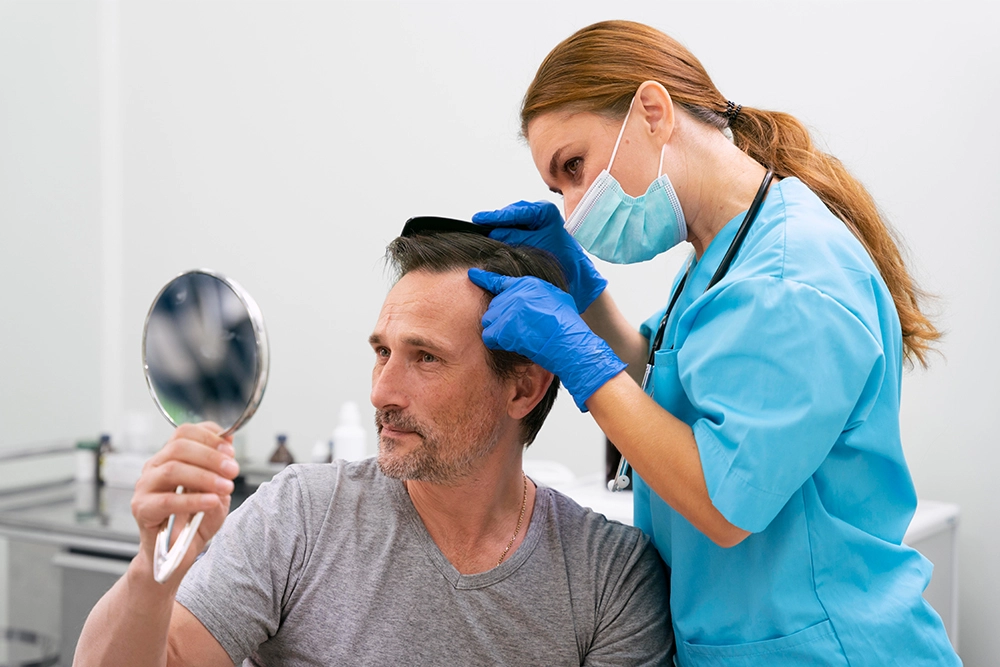
If hair loss is sudden, severe, or accompanied by pain, redness, or scarring, it’s important to consult a Hair Clinic. Early diagnosis can prevent permanent hair damage and improve treatment outcomes.
Maintaining Healthy Hair and Scalp
While not all hair diseases are preventable, adopting healthy hair practices can significantly reduce risk and improve overall hair quality. Here’s how:
Follow a Nutrient-Rich Diet
Hair health depends on the nutrients you consume. Include:
➤ Protein: Eggs, fish, poultry, legumes, paneer
➤ Iron & Zinc: Spinach, lentils, nuts
➤ Omega-3 Fatty Acids: Fish, flaxseeds, walnuts
➤ Vitamins:Biotin, Vitamin D, Vitamin E
Practice Gentle Hair Care
➤ Avoid frequent heat styling (straighteners, curling irons)
➤ Use mild, sulfate-free shampoos and conditioners
➤ Don’t brush wet hair roughly; use wide-tooth combs
Avoid Hairstyles That Pull Hair
➤ Tight ponytails, braids, buns, or extensions can stress hair follicles and cause traction alopecia.
➤ Rotate hairstyles and keep hair loose whenever possible.
Maintain Scalp Hygiene
➤ Wash regularly but avoid over-washing (2–3 times a week is usually enough)
➤ Massage scalp gently to improve blood circulation
➤ Keep scalp moisturized if dry
Manage Stress
➤ Stress triggers hair shedding (telogen effluvium) and worsens scalp conditions
➤ Practice meditation, yoga, or breathing exercises
➤ Adequate sleep is essential for hair regeneration
Protect Hair From Environmental Damage
➤ Avoid prolonged sun exposure without protection
➤ Protect hair from pollution and chlorine in swimming pools
➤ Wear a scarf or hat when needed
Final Thoughts
Hair diseases are more common than many people realize and can affect anyone, regardless of age or gender. The good news is that many conditions are treatable, especially when addressed early. By understanding the signs, seeking professional care when needed, and adopting healthy hair habits, individuals can protect both their hair health and confidence.
Remember: Healthy hair is not just about appearance; it reflects overall well-being. With proper nutrition, care, and lifestyle choices, you can maintain strong, vibrant hair for life.