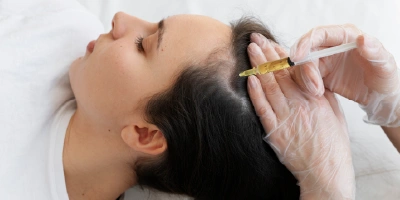
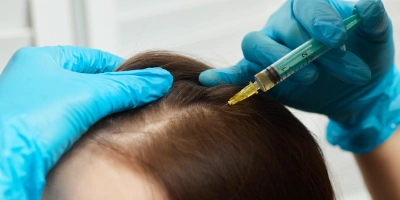
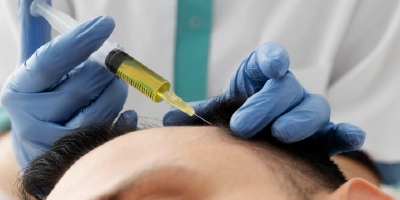
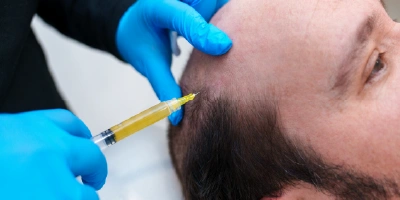
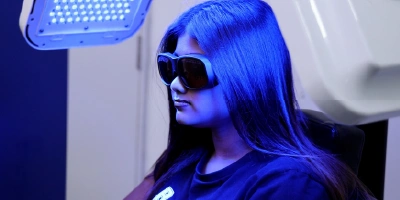
Photobiostimulation Therapy
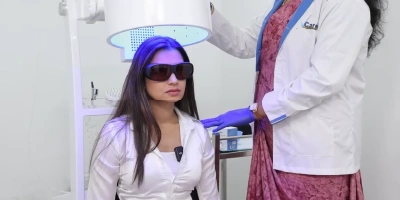
A next-generation, non-invasive follicle activation therapy designed to restore hair growth by
improving scalp circulation and stimulating dormant follicles. By combining optical, biological,
thermal, and electro energies, this therapy enhances nutrient absorption, improves follicle
metabolism, and supports stronger hair shaft production.
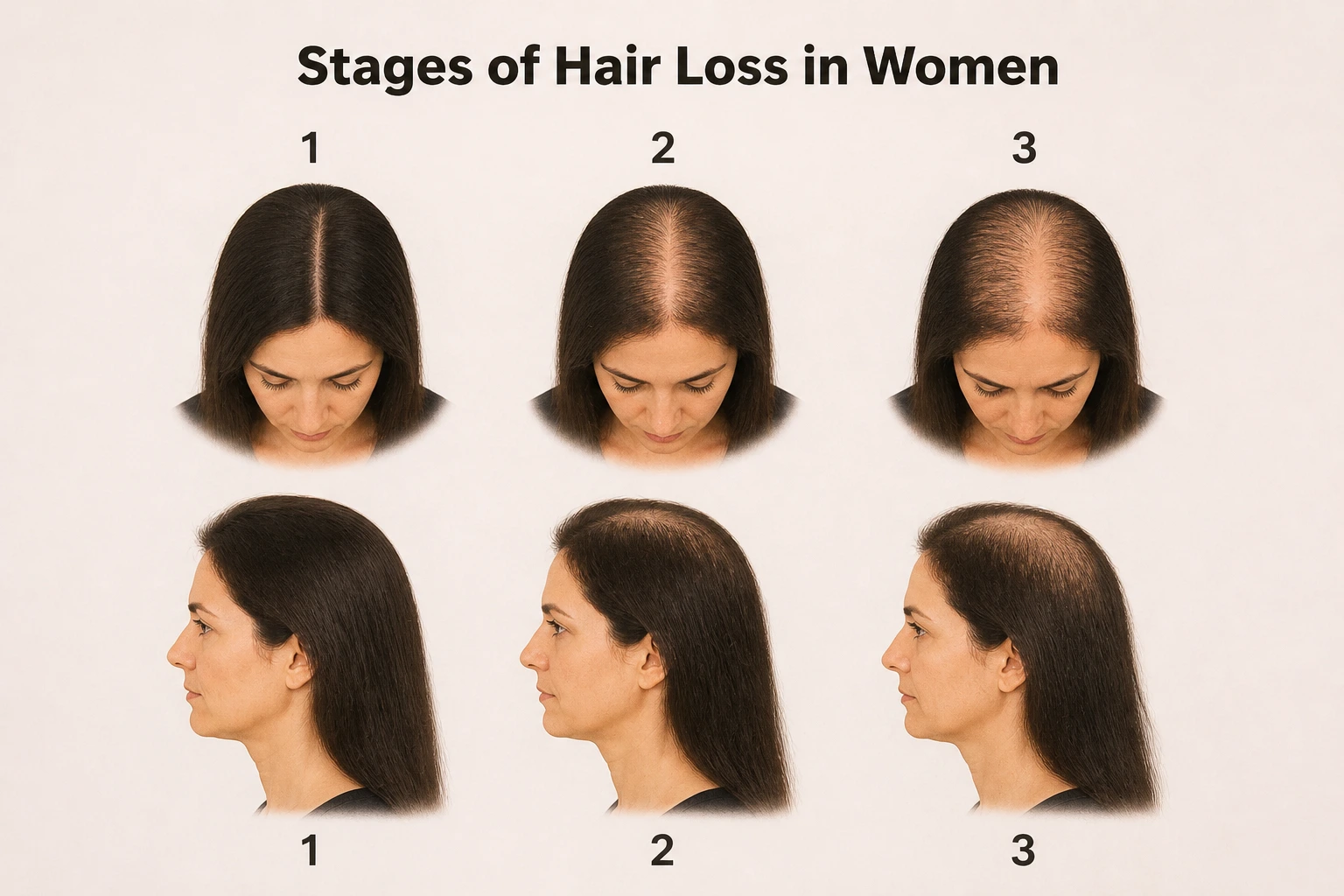
For women experiencing gradual thinning or reduced hair density, this treatment helps create an ideal
scalp environment for healthier and fuller hair regrowth.
Biocell Hair Growth Therapy
Biocell Therapy is an advanced regenerative treatment designed to control severe hair fall and restore
follicle strength.This therapy is particularly beneficial for women dealing with:
-
Diffuse thinning
-
Hormonal hair loss
-
Early-stage female pattern hair loss
-
Weak and fragile hair roots
It uses plant-derived stem cells, biomimetic peptides, growth factors, and cosmeceuticals to repair
scalp damage and revive weakened follicles.
Clinical Hair Revive Therapy (CHRT)
VCare’s Clinical Hair Revive Therapy is a precision scalp rejuvenation treatment that delivers growth
factors and peptides directly into the follicular environment.This therapy works by:
-
Reducing scalp inflammation
-
Strengthening weakened hair follicles
-
Improving follicular blood supply
-
Stimulating natural hair regrowth
For women experiencing hair thinning after hormonal fluctuations or chronic stress, CHRT helps restore
scalp balance and follicle vitality.
Hair Rejuvenation Therapy (HRT)
Hair Rejuvenation Therapy is a deep scalp repair treatment designed to improve overall scalp health,
which is essential for long-term hair growth.The therapy combines multiple scalp therapies including:
-
Aromatic therapeutic oils
-
Protein nourishment
-
Ozone scalp care
-
High-frequency follicle stimulation
-
Gentle exfoliation and massage
This treatment is particularly helpful for women with chronic dandruff, scalp dryness, itching, or
buildup, conditions that can weaken hair follicles and worsen hair fall.
PRP Hair Treatment
PRP (Platelet-Rich Plasma) therapy is one of the most widely recommended regenerative hair treatments
for women.PRP therapy is especially effective for women experiencing:
-
Female pattern hair thinning
-
Postpartum hair fall
-
Stress-related hair shedding
-
Early-stage androgenetic alopecia
Using concentrated platelets derived from the patient’s own blood, PRP delivers powerful growth
factors directly into the scalp, stimulating weakened follicles and improving hair thickness.
GFC Hair Treatment
Growth Factor Concentrate (GFC) therapy is an advanced evolution of PRP technology that delivers a
highly purified concentration of regenerative growth factors to the scalp.Because the growth factors
are more concentrated and targeted, GFC therapy offers:
-
Faster follicle activation
-
Improved hair density
-
Stronger hair shaft growth
For women experiencing progressive hair thinning, GFC provides a powerful solution for stimulating
healthier and more resilient hair growth.
StemGen Pro PRP
StemGen Pro PRP is an advanced, next-generation platelet therapy designed to deliver a higher
concentration of growth factors and regenerative proteins directly to the scalp. This enhanced PRP
formulation undergoes multi-step refinement to maximise potency and effectiveness compared to
conventional PRP.
Because of its high-density platelet concentration and targeted action, StemGen Pro PRP offers: Faster
hair follicle stimulation
-
Improved hair density and volume
-
Stronger, thicker hair regrowth
-
Faster action
EXOGRO
EXOGRO is India’s first Autologous Exosome Hair Treatment, designed to enhance cellular communication
within the scalp.Exosomes act as biological messengers that signal follicles to repair, regenerate,
and resume active hair growth.This advanced therapy is particularly useful for women experiencing:
-
Severe diffuse hair thinning
-
Long-term follicle weakening
-
Reduced hair density due to hormonal factors
With AI scalp mapping and personalized treatment protocols, EXOGRO helps promote faster follicular
repair and stronger hair regrowth.
Cell Graft Therapy
Cell Graft Therapy represents one of the most advanced non-surgical regenerative solutions for severe
hair thinning in women.This treatment utilizes progenitor cells derived from the patient’s own scalp
tissue, combined with PRP, to stimulate follicle regeneration and promote the formation of new hair
follicles. Cell Graft Therapy helps:
-
Repair damaged scalp tissue
-
Reactivate dormant follicles
-
Improve overall hair density
For women experiencing advanced hair thinning or long-standing follicular weakness, this therapy
offers a powerful regenerative pathway for restoring hair growth.


.webp)
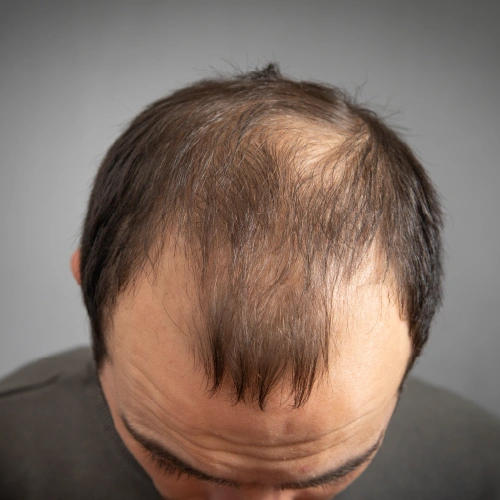
.webp "Hair follicles strengthening")
.svg)


.svg)



.webp)
.webp)