
INTRODUCTION
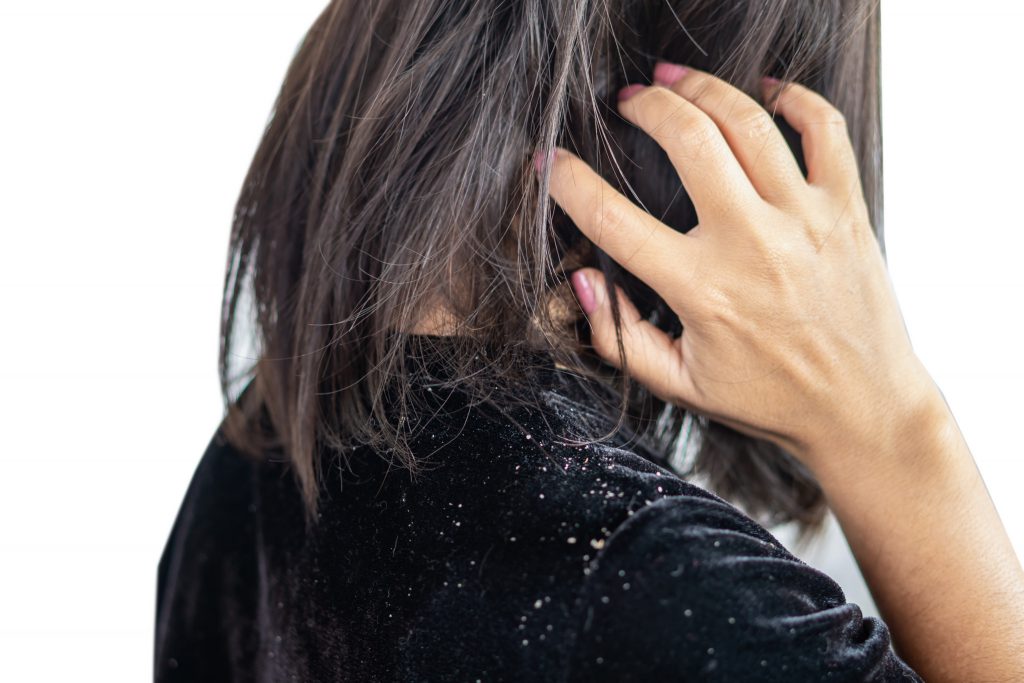
If there’s one thing common throughout all seasons, with no second thought, it will be dandruff. And the never-ending agitation it leaves on one. Imagine the time when you have to keep scratching your head in a workplace. And if someone keeps an eye on the flakes on your shoulder, many more instances will keep coming up.
One thing is a sense of causing self-embarrassment. Along with it, this condition also causes temporary hair loss as well.
Here’s the good news about it. Dandruff, be it oily or dry, is easily treatable with appropriate hair treatment for dandruff and lifestyle adjustments.
TYPES OF DANDRUFF
DRY DANDRUFF
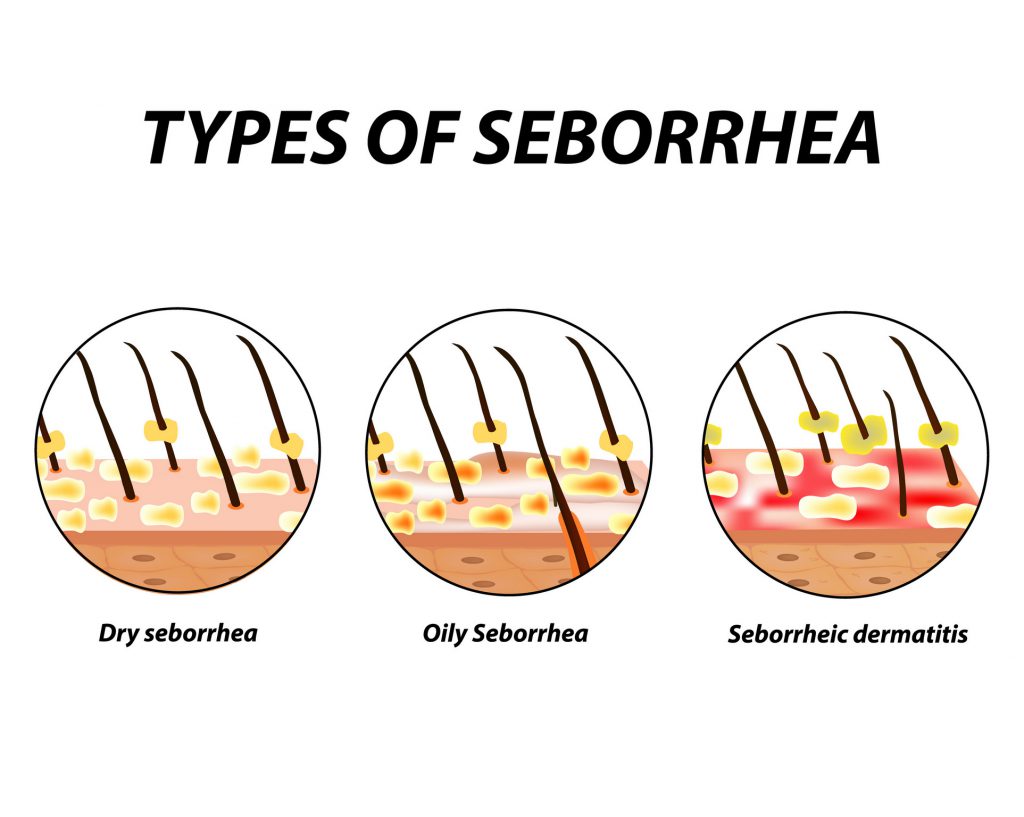
Dry dandruff tends to show up during weather changes or less to no moisturization of the scalp, imbalance in food intake and application of harsh chemicals on the scalp. Since there is no moisture, the shedding of flakes happens, leading to skin irritation and itching.
OILY DANDRUFF
When sebum secretion is more than usual due to hormonal imbalances, sedentary lifestyle, heredity conditions, there is a PH imbalance on the scalp. So this excess oil, when combined with dirt or any other dust, can cause itching and inflammation and even temporary hair fall. Its flakes appear yellowish, whitish and in bigger sizes.
FUNGAL INFECTED DANDRUFF
Malassezia furfur, a fungus that lives on our scalp, feeds on proteins and oils while secreting an enzyme of its own. Our scalp is considered the oiliest part as the hair follicles through its glands secrete sebum. And the fungus settles in these places in need of proteins and oils. While they feed on the oil, the scalp’s activity disrupts, and the skin cells respond over-sensitive to defend against the excess discharge.
The skin sheds every two to three weeks which is invisible to our bare eyes. This shedding aggravates when hormone imbalance occurs. And these group as large clumps on the scalp by falling as noticeable flakes on us. And thus, dandruff, due to all these sudden mix-ups with dirt, dust, shampoo residue and scalp discharges, causes itching and inflammation.
CAUSES OF DANDRUFF
To be precise, the causes of dandruff, either oily or dry, is down to these reasons:
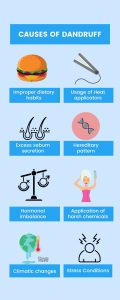
1. An increase in omega-6 and omega-9 either through diet or the fungus directly relates to causing inflammation.
2.Disruption in skin cell activity by overproducing skin cells forms huge clumps falling off as dandruff flakes.
3.Sudden climatic changes and exposure to dust and pollution due to which the body may face problems in adaptations.
4.Improper rinsing with shampoo and accumulation of its residue on the scalp. Application of harsh chemicals by way of rigorous shampooing and styling products.
5. Nutritional deficiency is a parameter that will directly pose a threat to scalp activity.
CONCLUSION
Now that we know how dandruff occurs and the probable reasons, necessary action can be taken to keep our scalp clean and healthy. But if you are already prone to this, take some time to and hair experts from the best hair care clinic to come out from this real quick and happier. Book Your Dandruff Consultation Today